
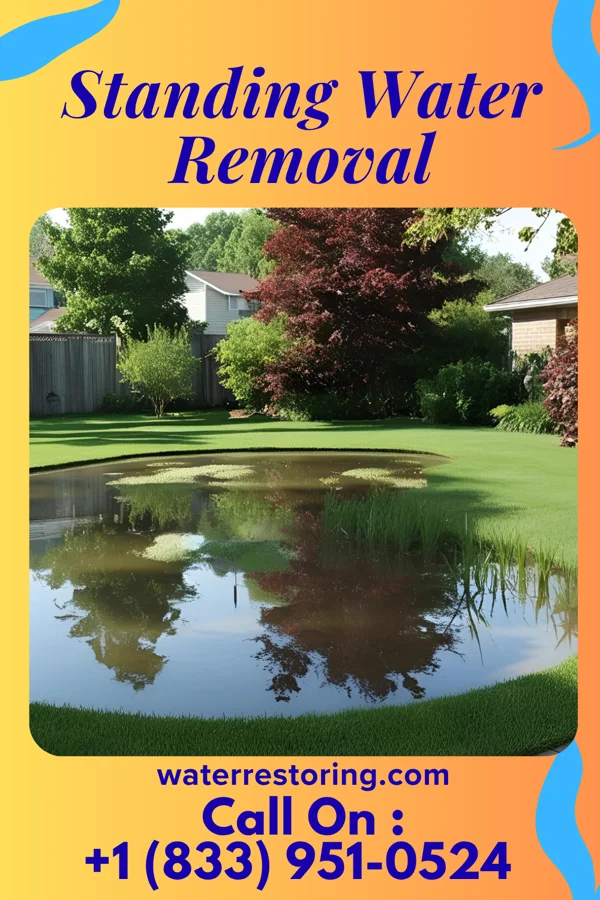
Ground-Water Standing Water in Dickinson
Water damage in Dickinson tends to cluster in predictable windows because of the local climate. In Dickinson, North Dakota, the primary water damage cause is often due to sudden flooding from heavy rainfall or snowmelt, especially in the suburban areas near South Heart, Gladstone, and Taylor. The region's flat terrain and proximity to the Missouri River can lead to rapid water accumulation during storm events. A close second is Secondary causes include plumbing leaks from aging infrastructure, burst pipes in residential and commercial buildings, and groundwater seepage in basements. These issues are common in the suburban neighborhoods of Dickinson due to the area's older housing stock and seasonal thawing of permafrost..
Dickinson experiences a continental climate with cold winters and warm summers, which can lead to frozen pipes during winter and rapid thawing in spring. This climate pattern increases the risk of water damage from both freezing and thawing conditions, particularly in the suburban areas near South Heart and Gladstone.
Dickinson experiences a continental climate with cold winters and warm summers, which can lead to frozen pipes during winter and rapid thawing in spring. This climate pattern increases the risk of water damage from both freezing and thawing conditions, particularly in the suburban areas near South Heart and Gladstone. The dominant local driver is In Dickinson, North Dakota, the primary water damage cause is often due to sudden flooding from heavy rainfall or snowmelt, especially in the suburban areas near South Heart, Gladstone, and Taylor. The region's flat terrain and proximity to the Missouri River can lead to rapid water accumulation during storm events., with Secondary causes include plumbing leaks from aging infrastructure, burst pipes in residential and commercial buildings, and groundwater seepage in basements. These issues are common in the suburban neighborhoods of Dickinson due to the area's older housing stock and seasonal thawing of permafrost. showing up as the next most common cause. Damage builds in stages. Spread. Absorption. Microbial growth. Structural compromise. Every stage you pass through adds to the final bill.